Discover the best attractions in Laos
Showing 13 result(s)
Tad Yuang Waterfall is a scenic waterfall in the Bolaven Plateau region, well known for its beautiful forest setting and refreshing atmosphere. Compared with some larger waterfall sites, Tad Yuang offers an enjoyable balance of accessibility and natural beauty, making it a great stop for travelers exploring southern Laos by car or tour. Visitors can view the waterfall from scenic points and, depending on local conditions, may also enjoy walking around nearby areas to appreciate the lush landscape. It is a recommended destination for those looking for a peaceful nature stop and classic Bolaven Plateau scenery.
Tad Fane Waterfall is a spectacular twin-stream waterfall located in the Bolaven Plateau area of southern Laos. The waterfall drops dramatically into a deep gorge, creating a powerful and unforgettable natural scene that is especially impressive after rainfall or during the green season. The surrounding highland area is known for its cool climate, scenic viewpoints, and lush landscapes, making this a popular stop for nature lovers and road trip travelers. Visitors can enjoy panoramic views from designated viewing points and experience the dramatic beauty of southern Laos’ mountainous terrain.
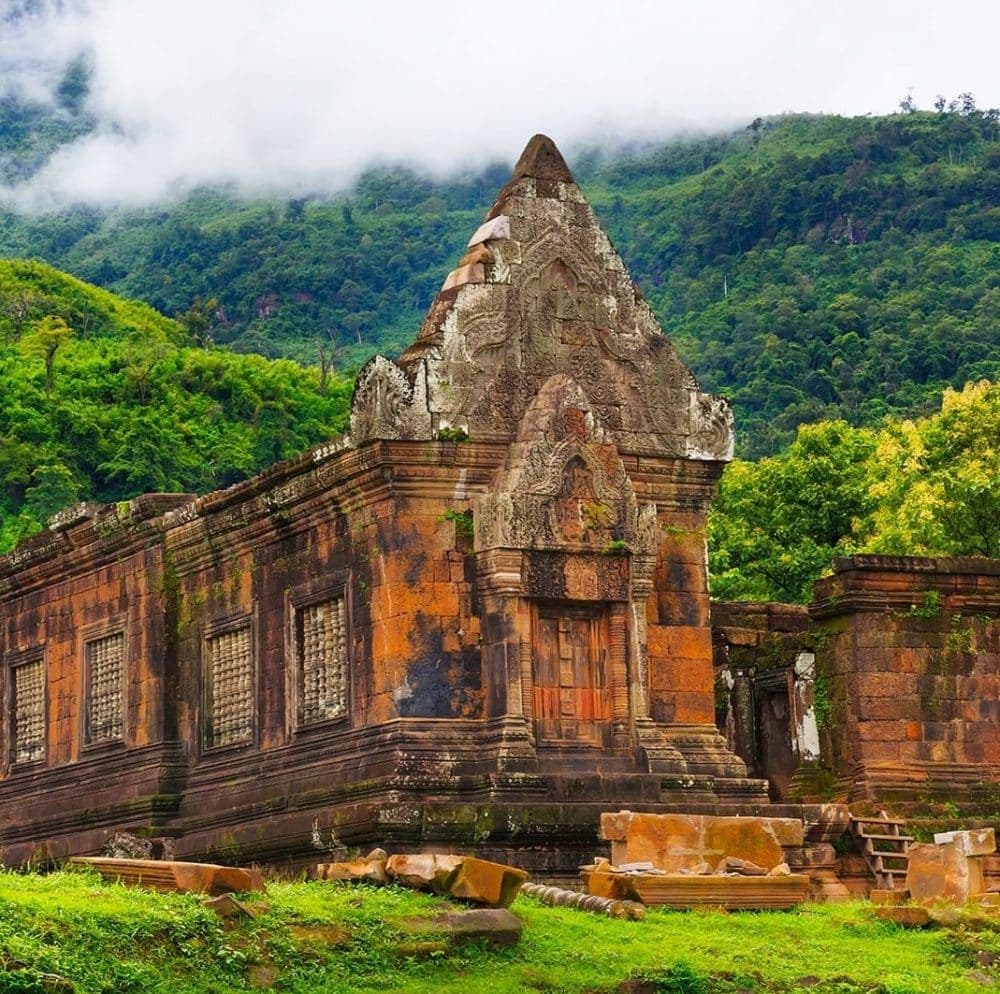
Vat Phou is a historic temple complex in southern Laos and one of the country’s most important heritage sites. Set against a dramatic mountain backdrop, this ancient Khmer-era site offers a unique combination of archaeology, spirituality, and natural scenery. Visitors can walk through the temple grounds, stone structures, and ceremonial pathways while learning about the site’s long history and regional significance. The atmosphere is both majestic and peaceful, making it an excellent destination for travelers interested in history, culture, architecture, and heritage landscapes beyond the major city routes.

Wat Xieng Thong is one of the most important and beautiful temples in Luang Prabang, admired for its classic Lao temple architecture and detailed decorative artwork. The temple complex showcases elegant roofs, richly ornamented walls, and a peaceful atmosphere that reflects the spiritual and cultural heritage of Laos. Visitors can explore the temple grounds at a relaxed pace while appreciating the craftsmanship, historical significance, and serene surroundings. This is a must-visit destination for travelers interested in Lao Buddhism, traditional art, and the historical identity of Luang Prabang.
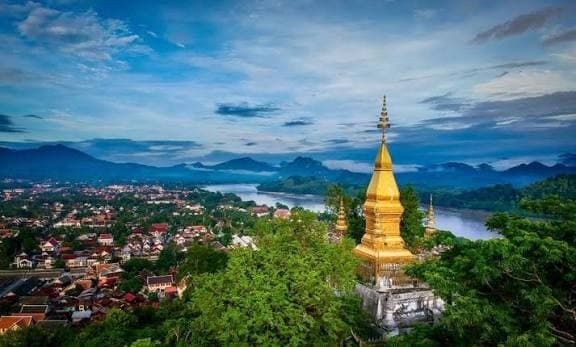
Mount Phousi is a centrally located hill in Luang Prabang and one of the city’s most popular viewpoints. By climbing the stairways to the top, visitors are rewarded with sweeping views of the old town, the Mekong River, and the Nam Khan River, especially beautiful during sunrise or sunset. Along the way, you can encounter small shrines and peaceful resting spots that add to the cultural charm of the visit. The experience is ideal for travelers who want a memorable panoramic view, a light walking activity, and a chance to appreciate Luang Prabang’s unique landscape from above.
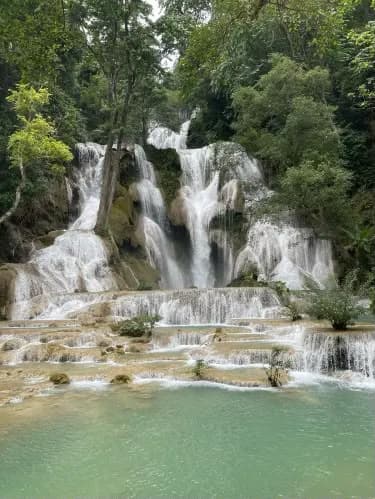
Kuang Si Falls is one of Laos’ most famous natural attractions and a highlight of Luang Prabang. Known for its stunning multi-tiered cascades and turquoise pools, the site offers a beautiful setting for walking, sightseeing, and photography. Visitors can explore forest paths, view the different waterfall levels, and enjoy the peaceful natural atmosphere surrounding the area. Depending on the season and site rules, some pool areas may be suitable for swimming. This destination is highly recommended for travelers seeking iconic scenery, fresh air, and an unforgettable nature experience near Luang Prabang.
Tham Chang Cave is one of Vang Vieng’s best-known natural attractions, offering a combination of scenic limestone formations, local history, and elevated viewpoints. The cave is reached by climbing stairs, and along the way visitors can enjoy impressive views of the surrounding karst landscape. Inside, the cave features dramatic rock formations and a cool, shaded atmosphere, making it a refreshing stop during a day of sightseeing in Vang Vieng. This attraction is ideal for travelers who want a light adventure experience without requiring advanced trekking, and it pairs well with other nearby outdoor activities in the area.
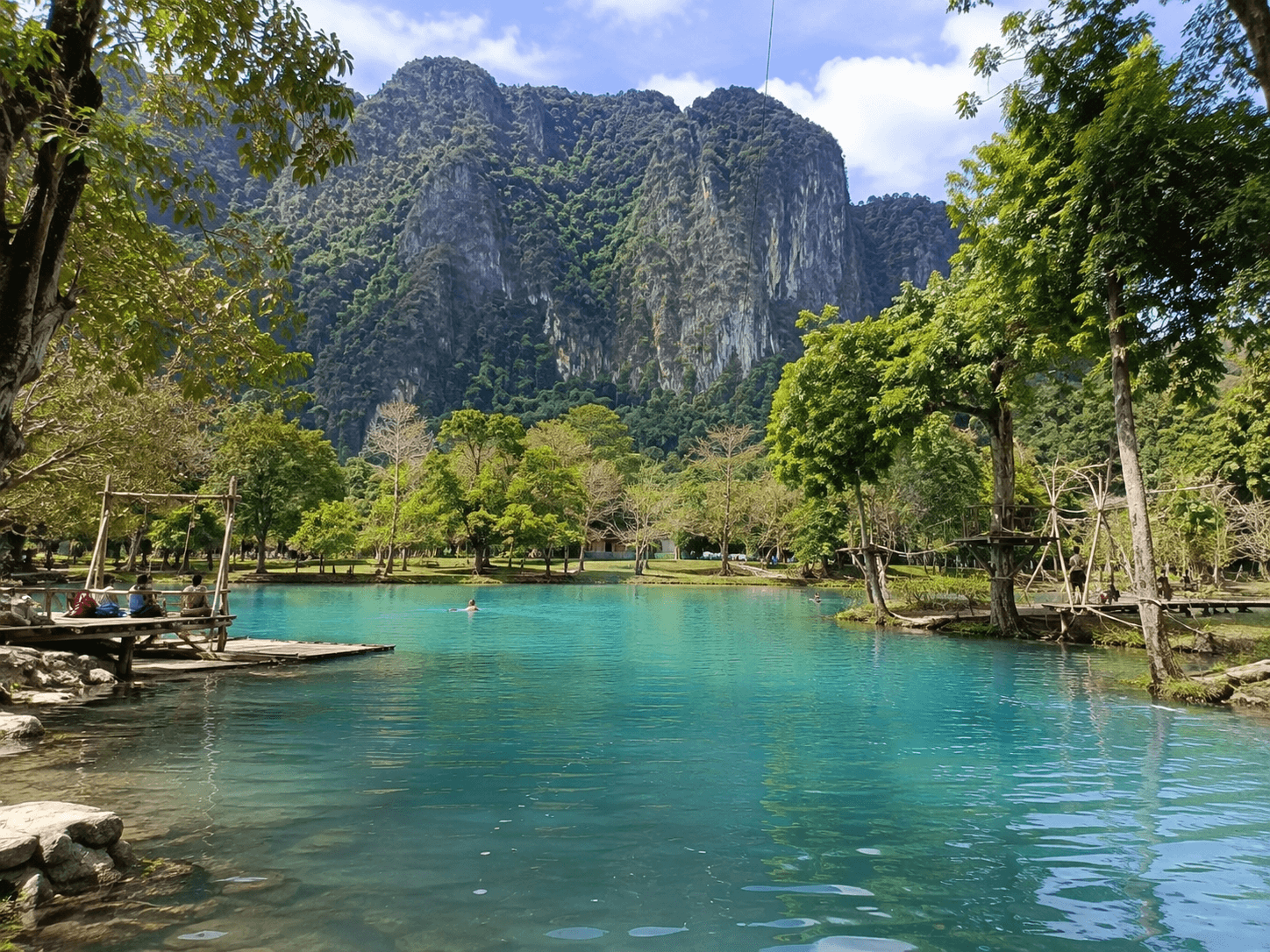
Blue Lagoon in Vang Vieng is one of the area’s most popular outdoor attractions, loved for its clear blue water, relaxed atmosphere, and beautiful karst mountain surroundings. It is a great destination for travelers looking to cool off, enjoy nature, and spend time in a scenic setting with friends or family. Depending on the specific Blue Lagoon site and local conditions, visitors may enjoy swimming, resting by the water, and taking photos of the striking natural landscape. This attraction is especially popular as part of a Vang Vieng day trip itinerary and can be combined with caves and other nearby adventure spots.
Haw Phra Kaew is a historic religious site and museum in Vientiane, valued for its elegant architecture and cultural significance. Originally built as a temple, the site is now known for preserving religious art and historical objects that reflect Lao Buddhist heritage. Visitors can appreciate the graceful structure, landscaped grounds, and calm atmosphere while exploring exhibits and architectural details. It is a meaningful stop for travelers interested in history, religion, and traditional Lao aesthetics, especially when combined with other major Vientiane landmarks nearby.
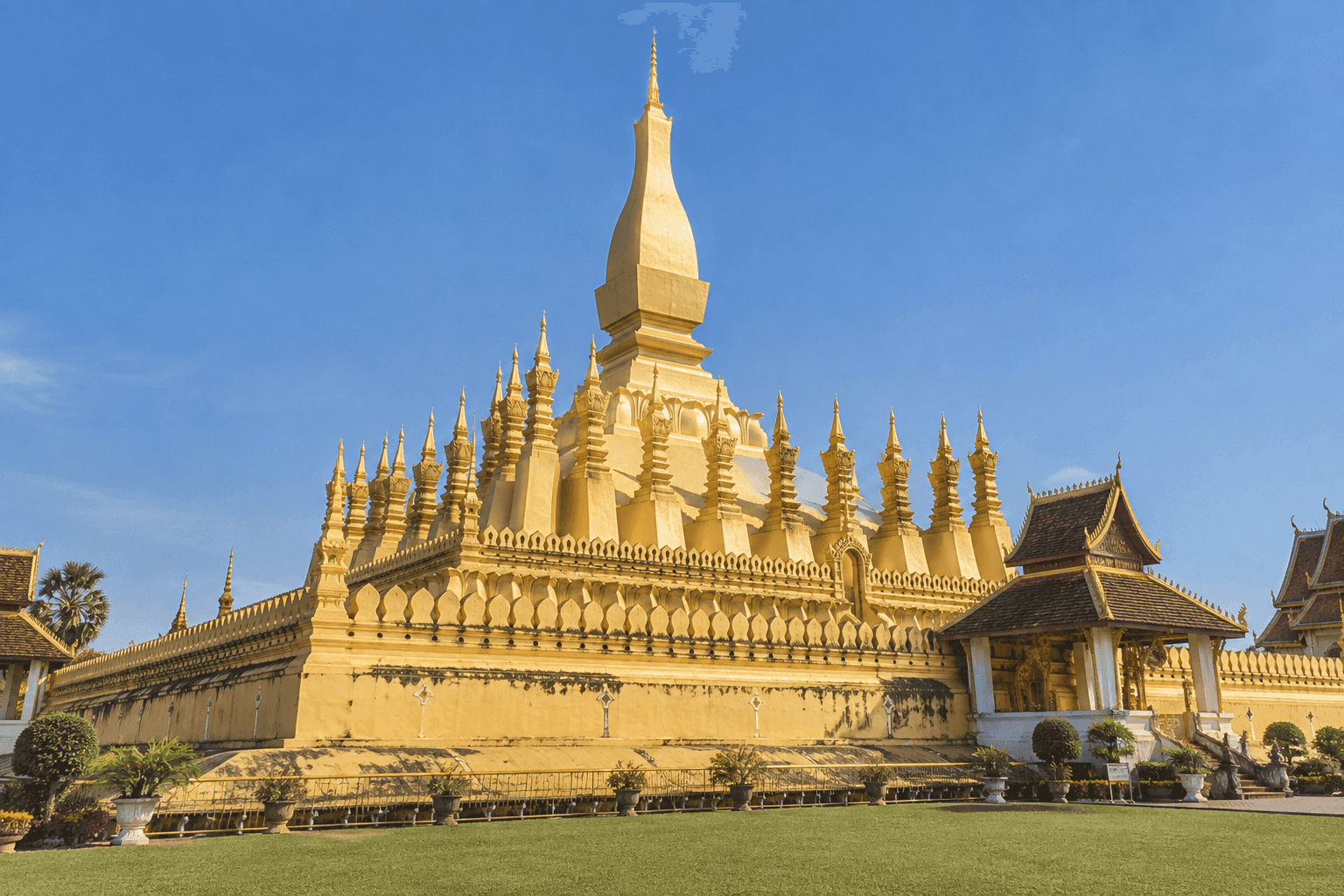
Pha That Luang is the most important national religious monument in Laos and one of the country’s most sacred Buddhist sites. Located in Vientiane, this golden stupa is an iconic symbol of Lao identity, faith, and heritage. Visitors can admire the striking architecture, walk around the temple complex, and experience a solemn yet beautiful atmosphere that reflects the spiritual importance of the site. The monument is especially impressive in daylight when the golden structure shines prominently. This destination is highly recommended for travelers who want to understand Lao culture, Buddhism, and national history through one of its most symbolic landmarks.
Patuxai is one of Vientiane’s most iconic landmarks and a must-visit monument for travelers exploring the capital. Often compared to a triumph arch, this historic monument combines Lao artistic design with a grand architectural presence, making it both a cultural symbol and a popular photo spot. Visitors can enjoy the surrounding park area, admire the decorative details inspired by traditional Lao motifs, and climb to the upper viewing area for a panoramic look over central Vientiane. It is an excellent stop for first-time visitors who want to experience the city’s history, architecture, and atmosphere in one place.
Laos National Museum is an important cultural and historical attraction in Vientiane, offering visitors a valuable introduction to the history, heritage, and identity of Laos. The museum presents a range of exhibits related to the country’s past, including historical artifacts, cultural materials, and displays that help explain Laos’ social and political development over time. It is a meaningful destination for travelers who want to gain deeper context before exploring other landmarks in Laos, especially those interested in history, culture, and education-focused travel. A visit to the museum is a great way to better understand the background of the country while enjoying a central Vientiane itinerary.